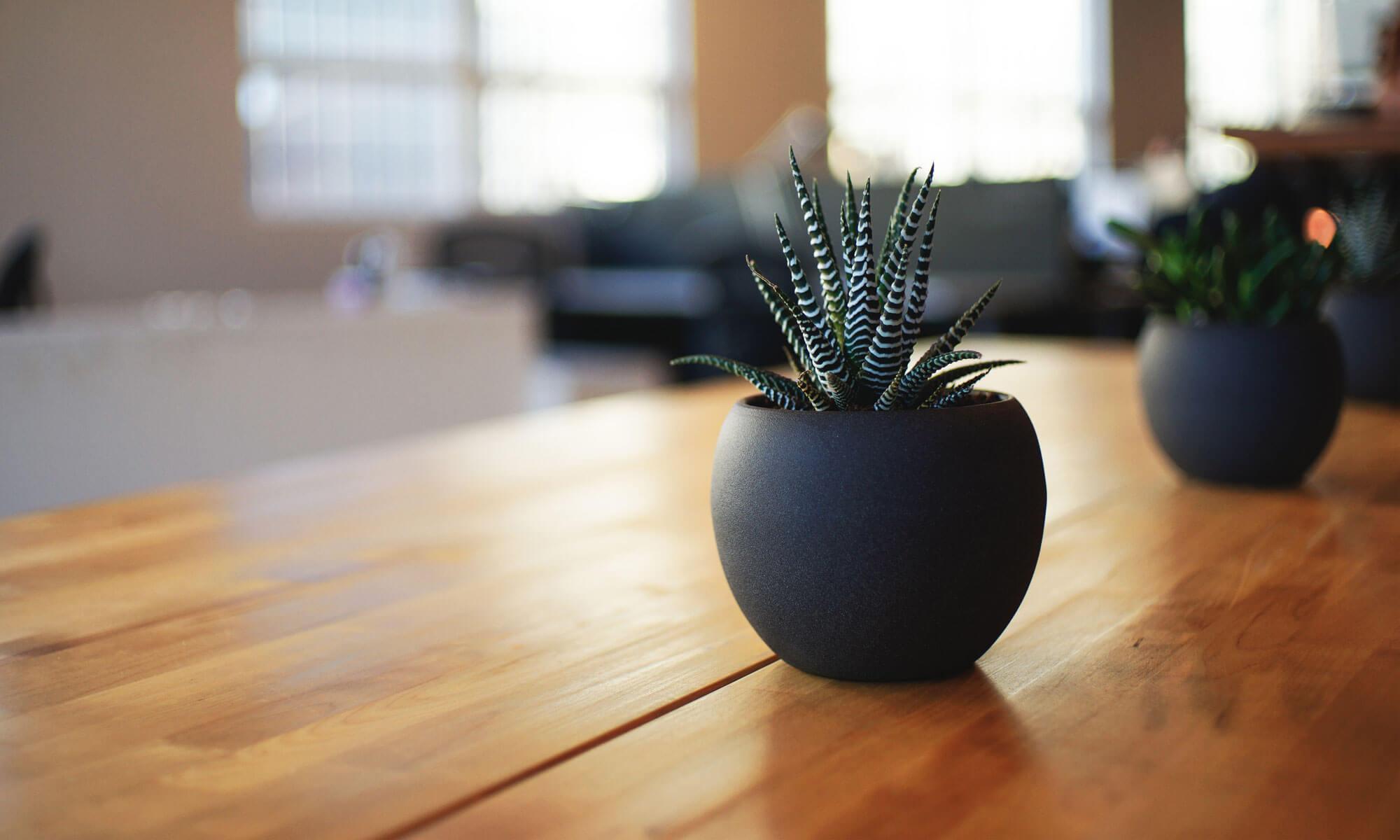
- Elegant designs showcase https://thespinkings.uk, inspiring beautiful living spaces today
- The Importance of Lighting in Interior Design
- Choosing the Right Light Fixtures
- The Power of Texture and Textiles
- Mixing Patterns and Colors
- Maximizing Space with Smart Furniture Choices
- The Importance of Decluttering
- Contemporary Trends in Home Decor
- Beyond Aesthetics: Creating a Home That Nurtures
Elegant designs showcase https://thespinkings.uk, inspiring beautiful living spaces today
Creating a beautiful and functional living space is a goal many homeowners share. The key to achieving this often lies in careful consideration of design elements, from furniture selection to the strategic use of color and texture. Finding inspiration and resources that align with your personal style is paramount, and increasingly, individuals are turning to online platforms to discover innovative ideas. One such resource offering a curated collection of elegant designs is https://thespinkings.uk, a destination for those seeking to elevate their home interiors. The thoughtful presentation of products and inspiring room settings makes navigation and visualization for customers exceptionally accessible.
The modern homeowner desires not just aesthetically pleasing spaces, but also those that are practical and reflective of their lifestyle. This requires a balance between form and function, prioritizing quality materials and enduring designs. The current trend leans towards personalized interiors, moving away from cookie-cutter solutions and embracing individuality. Therefore, discovering retailers and design hubs that champion unique style and offer a diverse range of options is crucial. Understanding how to blend classic elements with contemporary trends is a skill many are striving to master, and online resources like design blogs, virtual showrooms, and online stores are helping to bridge the gap between aspiration and reality.
The Importance of Lighting in Interior Design
Lighting is arguably one of the most critical elements in interior design, often underestimated but profoundly impactful. It’s far more than simply illuminating a room; it sets the mood, highlights architectural features, and influences how colors are perceived. Poorly lit spaces can feel cramped and unwelcoming, while well-lit rooms appear more spacious and inviting. A layered lighting approach, incorporating ambient, task, and accent lighting, is crucial for achieving a balanced and functional design. Ambient lighting provides overall illumination, task lighting focuses on specific areas for activities like reading or cooking, and accent lighting highlights artwork or architectural details. The interplay of these three types of lighting creates depth and dimension, transforming a space from flat to dynamic.
Choosing the Right Light Fixtures
Selecting the appropriate light fixtures is paramount to achieving the desired effect. Consider the style of the room, the height of the ceiling, and the amount of natural light available. For instance, a grand chandelier can be a stunning focal point in a formal dining room, while recessed lighting might be more suitable for a modern kitchen. LED lighting is becoming increasingly popular due to its energy efficiency and longevity. It also offers a wide range of color temperatures, allowing you to create a warm and cozy atmosphere or a bright and energizing one. Don’t overlook the importance of dimmer switches, which provide greater control over the intensity of the light and allow you to adapt the mood to different occasions. A well-planned lighting scheme enhances both the aesthetic appeal and the practicality of a space.
| Lighting Type | Purpose | Typical Fixtures |
|---|---|---|
| Ambient | Overall Illumination | Chandeliers, Flush Mounts, Recessed Lighting |
| Task | Specific Area Illumination | Desk Lamps, Under-Cabinet Lighting, Reading Lamps |
| Accent | Highlighting Features | Spotlights, Track Lighting, Wall Sconces |
Beyond functionality, selecting fixtures that complement the overall design aesthetic is key. Whether your style is modern, traditional, or eclectic, there are countless lighting options available to enhance your space. Consider materials, finishes, and shapes that coordinate with other elements in the room, creating a cohesive and harmonious look. Investing in quality lighting is an investment in the overall comfort and enjoyment of your home, and contributes significantly to its value.
The Power of Texture and Textiles
Texture and textiles play a vital role in creating a comfortable and inviting interior. They add depth, visual interest, and tactile appeal to any space. Incorporating a variety of textures, from soft and plush to rough and rugged, creates a layered and dynamic look. Think about combining different materials like wood, stone, metal, glass, and fabric to add complexity and sophistication. Textiles, such as rugs, curtains, throws, and pillows, are particularly effective for adding warmth and softness to a room. The careful selection of fabrics can significantly impact the overall mood and feel of a space. A luxurious velvet sofa, for example, will create a more opulent and formal atmosphere, while a linen armchair will evoke a sense of casual comfort.
Mixing Patterns and Colors
Don't be afraid to mix patterns and colors, but do so thoughtfully. A good rule of thumb is to choose one dominant pattern and use smaller-scale patterns as accents. Varying the scale of patterns prevents the room from feeling too busy or chaotic. Consider the color palette as well. Analogous color schemes (colors that are next to each other on the color wheel) create a harmonious and soothing effect, while complementary color schemes (colors that are opposite each other on the color wheel) create a more vibrant and energetic look. Neutral backgrounds provide a canvas for bolder patterns and colors, allowing them to stand out and make a statement. Experimenting with different combinations is key to finding what works best for your personal style and preferences.
- Incorporate at least three different textures in each room.
- Use rugs to define spaces and add warmth underfoot.
- Layer throws and pillows on sofas and chairs for added comfort.
- Choose curtains that complement the color scheme and provide privacy.
- Consider adding textured wallpaper or paint to walls.
The strategic use of texture and textiles can transform an ordinary space into an extraordinary one. They add personality, character, and a sense of cozy sophistication. Remember that these elements are not just about aesthetics; they also contribute to the overall comfort and functionality of a room. High-quality textiles can also improve the acoustics of a space, reducing echoes and creating a more peaceful environment.
Maximizing Space with Smart Furniture Choices
In many homes, space is at a premium. Therefore, making smart furniture choices is essential for maximizing functionality and creating a comfortable living environment. Opt for multi-functional pieces that serve more than one purpose, such as a storage ottoman, a sofa bed, or a dining table with a drop leaf. Vertical storage solutions, such as bookshelves and wall-mounted cabinets, can help to free up floor space. Consider furniture with clean lines and a minimalist design, as these tend to create a more open and airy feel. Avoid bulky or oversized furniture that can overwhelm a small space. Scale is crucial; ensure that furniture is appropriately sized for the room. A large sofa in a small living room will make the space feel cramped and uncomfortable.
The Importance of Decluttering
Before investing in new furniture, it's important to declutter and get rid of anything you no longer need or use. Clutter can make a space feel smaller and more chaotic. A thorough decluttering process will not only free up valuable space but also help you to appreciate the items you truly love and use. Consider donating, selling, or discarding unwanted items. Once you've decluttered, you can start to assess your storage needs and choose furniture that provides adequate storage solutions. Regular decluttering is an ongoing process that will help you maintain a tidy and organized home. The practice of conscious consumption – buying only what you need – further assists in decluttering and a minimalist lifestyle.
- Measure your space before buying any furniture.
- Choose multi-functional furniture pieces.
- Utilize vertical storage solutions.
- Declutter regularly to free up space.
- Opt for furniture with clean lines and a minimalist design.
Smart furniture choices, combined with a commitment to decluttering, can transform even the smallest space into a comfortable and functional living environment. Prioritizing quality over quantity and investing in pieces that serve your needs will create a home that is both stylish and livable. Considering your lifestyle and daily habits will help you select furniture that complements your routine and enhances your overall well-being. You can often find inspiration and ideas on platforms like https://thespinkings.uk, which showcases a variety of furniture styles and arrangements.
Contemporary Trends in Home Decor
The world of home decor is constantly evolving, with new trends emerging each season. Currently, there's a strong emphasis on natural materials, sustainable practices, and personalized design. Biophilic design, which incorporates elements of nature into interior spaces, is gaining popularity. This includes using natural light, plants, and materials like wood, stone, and bamboo. Sustainability is also a key consideration, with consumers increasingly seeking eco-friendly furniture and decor options. Vintage and antique pieces are also making a comeback, adding character and charm to modern interiors. These pieces not only offer a unique aesthetic but also promote a more sustainable lifestyle by reducing the demand for new products.
Beyond Aesthetics: Creating a Home That Nurtures
While aesthetics are important, creating a truly fulfilling home goes beyond simply choosing stylish furniture and decor. It’s about creating a space that nurtures your physical and emotional well-being. This involves incorporating elements that promote relaxation, creativity, and connection. For example, creating a designated “quiet zone” for reading or meditation can provide a sanctuary from the stresses of daily life. Adding personal touches, such as family photos and cherished mementos, can create a sense of belonging and connection. Thoughtful lighting, comfortable seating, and a calming color palette can all contribute to a more peaceful and restorative environment. Consider how your home reflects your values and supports your lifestyle. A home should be a haven – a place where you feel safe, comfortable, and inspired. Exploring resources like interior design blogs and websites, and even curated collections at locations such as https://thespinkings.uk, can help you refine your vision and build a space that truly feels like home.
Ultimately, the most important aspect of home design is to create a space that resonates with you and your family. Don't be afraid to experiment, take risks, and express your individuality. Your home should be a reflection of your personality, your values, and your lifestyle. Focus on creating a space that feels authentic and inviting, and that fosters a sense of peace and well-being.