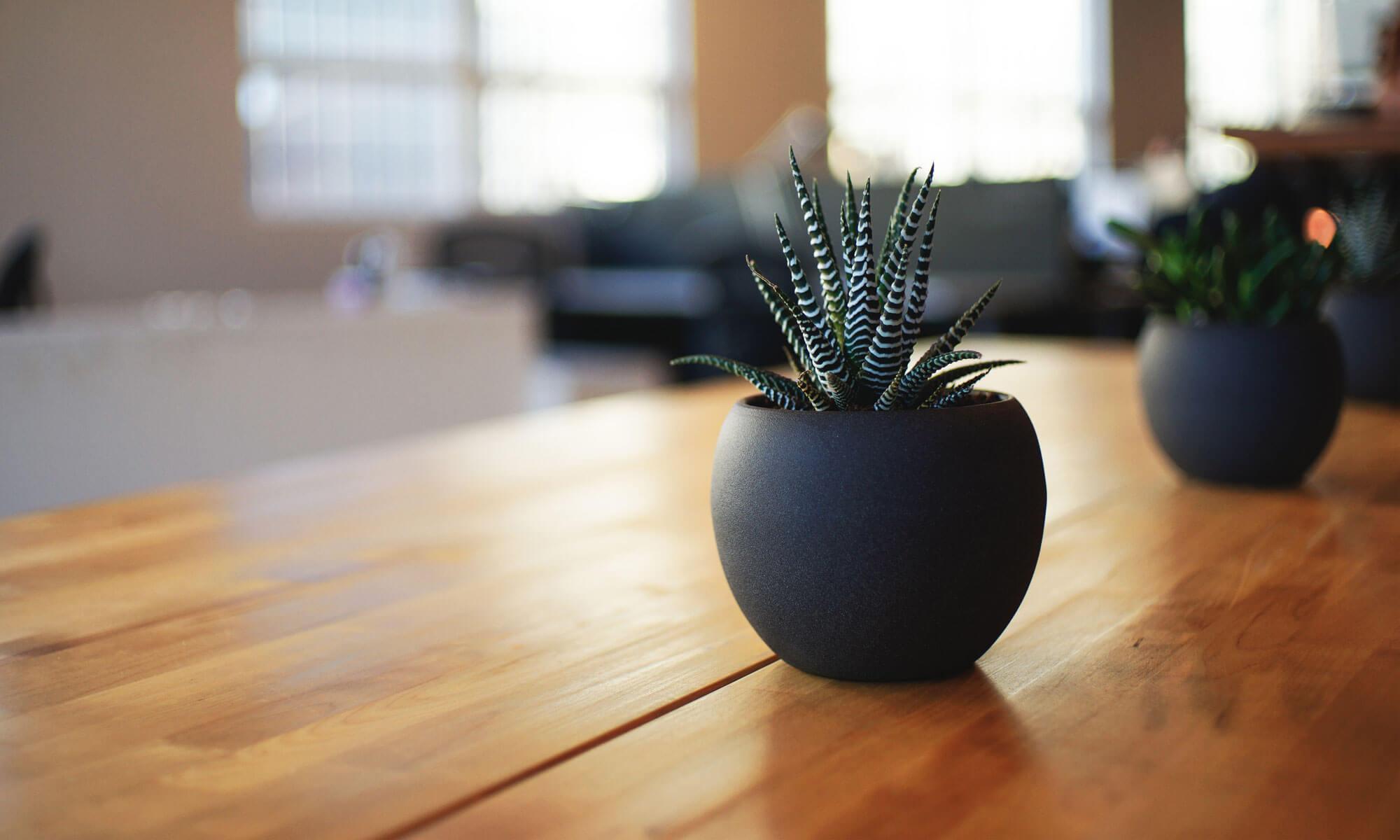
- Interior inspiration featuring https://thebonrushs.co.uk creates inviting living spaces
- The Allure of Scandinavian Design
- Incorporating Hygge into Your Home
- The Rise of Biophilic Design
- Implementing Biophilic Principles
- The Impact of Color Psychology in Interior Design
- Choosing the Right Color Palette
- Sustainable Interior Design Practices
- Blending Styles for a Personal Touch
Interior inspiration featuring https://thebonrushs.co.uk creates inviting living spaces
Creating a welcoming and stylish home environment is a goal for many, and finding the right inspiration is often the first step. The aesthetic of a living space significantly impacts the mood and functionality of daily life. Whether you're undertaking a complete renovation or simply looking to refresh a room, exploring diverse interior design ideas can unlock a wealth of possibilities. A valuable resource for such inspiration is available at https://thebonrushs.co.uk, a curated collection of interior design concepts that caters to a wide range of tastes and preferences. From modern minimalist designs to cozy, traditional settings, the site offers a fantastic starting point for visualizing your dream home.
The power of interior design lies not only in its visual appeal but also in its ability to enhance our well-being. Thoughtfully chosen colors, textures, and layouts can create spaces that promote relaxation, productivity, and social interaction. Considering factors such as natural light, spatial flow, and personal lifestyle is crucial in crafting an interior that truly reflects your needs and aspirations. Exploring different styles, understanding design principles, and utilizing resources like design blogs and online platforms can help translate inspiration into a tangible and beautifully functional living space.
The Allure of Scandinavian Design
Scandinavian design, with its emphasis on simplicity, functionality, and natural materials, has gained immense popularity in recent years. This style prioritizes creating bright, airy spaces that feel both comfortable and inviting. Key characteristics include neutral color palettes – think whites, grays, and beiges – complemented by subtle pops of color through textiles and artwork. Furniture is typically streamlined and minimalist, focusing on clean lines and practicality. The use of natural wood, particularly light-toned varieties like birch and pine, adds warmth and texture, connecting the interior with the natural world. It’s a design philosophy truly rooted in creating a calming and harmonious environment, focusing on ‘hygge’ – a Danish word describing a feeling of cozy contentment and well-being.
Incorporating Hygge into Your Home
Bringing the essence of ‘hygge’ into your home isn’t about purchasing specific items; it’s about creating an atmosphere. This can be achieved through layering textures – think soft blankets, plush rugs, and knitted throws. Dim lighting, provided by candles or lamps with warm-toned bulbs, is essential for creating a relaxed ambiance. Incorporating natural elements, such as houseplants and wooden accents, reinforces the connection to nature. Furthermore, creating designated cozy nooks – a reading corner with a comfortable armchair and a good book, or a snug seating area with a fireplace – encourages relaxation and mindful moments. Remember, hygge is about embracing simplicity and finding joy in the everyday aspects of life.
| Design Style | Key Characteristics |
|---|---|
| Scandinavian | Simplicity, functionality, natural materials, neutral colors |
| Bohemian | Eclectic mix of patterns, textures, and colors, vintage finds, global influences |
| Mid-Century Modern | Clean lines, organic shapes, functional furniture, warm wood tones |
| Industrial | Exposed brick, metal accents, raw materials, minimalist aesthetic |
The table above illustrates a quick overview of some popular design styles, showcasing the core elements that define each aesthetic. Choosing a style, or blending elements from several, is a personal journey. Consider your existing lifestyle and architectural features when making selections.
The Rise of Biophilic Design
Biophilic design is an increasingly popular approach that seeks to connect people with the natural environment. This philosophy recognizes the innate human affinity for nature and aims to incorporate natural elements into built spaces. This can range from bringing in plants and maximizing natural light to using natural materials and mimicking natural patterns in design. The benefits of biophilic design are numerous, including reduced stress, improved cognitive function, and enhanced creativity. In an increasingly urbanized world, creating spaces that foster a connection with nature is essential for promoting well-being and a sense of calm. This isn't simply about adding a few potted plants; it's about a comprehensive approach that weaves nature into the very fabric of a building's design.
Implementing Biophilic Principles
Implementing biophilic design doesn’t require a complete overhaul. Simple additions, such as incorporating indoor plants, can significantly improve air quality and create a more inviting atmosphere. Maximizing natural light is another key principle, which can be achieved by using sheer curtains, strategically placing mirrors, and orienting furniture to take advantage of sunlight. The use of natural materials, such as wood, stone, and bamboo, further reinforces the connection to nature. Consider using nature-inspired patterns and colors in your décor, such as leafy prints or earthy tones. Ultimately, the goal is to create a space that feels grounding, restorative, and connected to the natural world, and resources like https://thebonrushs.co.uk can provide valuable inspiration toward achieving that goal.
- Maximize Natural Light: Utilize large windows, skylights, and light-colored window coverings.
- Incorporate Plants: Introduce a variety of indoor plants to improve air quality and add visual interest.
- Use Natural Materials: Opt for furniture and décor made from wood, stone, bamboo, and other natural materials.
- Nature-Inspired Colors: Embrace earthy tones, greens, and blues to evoke a sense of calm and tranquility.
- Water Features: Consider adding a small fountain or indoor water wall for a soothing ambiance.
These simple steps allow for a more deliberate incorporation of nature into the home, fostering a healthier and more enjoyable living environment. Consistent small additions can create a significant overall effect on the feeling of a space.
The Impact of Color Psychology in Interior Design
Color plays a profound role in influencing our emotions and behaviors. Understanding color psychology is essential for creating interiors that evoke the desired mood and atmosphere. Warm colors, such as reds, oranges, and yellows, tend to be energizing and stimulating, making them suitable for social spaces like living rooms and dining rooms. Cool colors, such as blues, greens, and purples, tend to be calming and relaxing, making them ideal for bedrooms and bathrooms. Neutral colors, such as whites, grays, and beiges, provide a versatile backdrop and can be paired with accent colors to create a balanced and harmonious look. For instance, a soft blue in a bedroom can promote restful sleep, while a vibrant yellow in a kitchen can encourage creativity and social interaction.
Choosing the Right Color Palette
Selecting a color palette should be a thoughtful process that considers both personal preferences and the intended function of the space. Start by identifying the overall mood you want to create. If you desire a calming and serene environment, opt for cool colors and soft neutrals. If you want a space that is vibrant and energizing, incorporate warm colors and bolder hues. Consider the amount of natural light the room receives, as this will affect how colors appear. Testing paint samples on the walls before committing to a full color scheme is crucial, as colors can look different in different lighting conditions. Many resources, including design apps and online tools, can help you visualize color combinations and create a cohesive palette.
- Define the Mood: Determine the desired feeling for the space (calm, energetic, cozy, etc.).
- Consider Natural Light: Assess the amount of sunlight the room receives.
- Choose a Base Color: Select a neutral color as the foundation of the palette.
- Add Accent Colors: Introduce pops of color to create visual interest and personality.
- Test Paint Samples: Evaluate how colors look in different lighting conditions.
Following these steps ensures a more cohesive and aesthetically pleasing color scheme, contributing to a more harmonious and enjoyable living space. Colors bring life and personality, but a well-planned palette is key to their success.
Sustainable Interior Design Practices
As environmental awareness grows, sustainable interior design is becoming increasingly important. This approach prioritizes minimizing environmental impact through the use of eco-friendly materials, energy-efficient appliances, and responsible sourcing practices. Choosing materials with low volatile organic compounds (VOCs) is crucial for improving indoor air quality. Opting for furniture made from reclaimed wood or recycled materials reduces waste and conserves resources. Prioritizing energy-efficient lighting and appliances lowers energy consumption and reduces carbon footprint. Sustainable design is not only environmentally responsible but also often results in healthier and more comfortable living spaces. Exploring vintage and antique pieces also contributes to sustainability by giving existing items a new life and reducing the demand for new production.
Blending Styles for a Personal Touch
While embracing a specific design style can provide a cohesive aesthetic, don't be afraid to blend elements from different styles to create a space that truly reflects your personality. Combining the clean lines of mid-century modern with the eclectic mix of textures and patterns found in bohemian design can result in a space that is both stylish and inviting. Mixing vintage and contemporary pieces adds character and depth, while layering different materials and finishes creates visual interest. Remember, the most important aspect of interior design is creating a space that you love and feel comfortable in. Don’t hesitate to experiment with different combinations and find what works best for you. A curated collection of pieces, rather than strictly adhering to a single style, tells a story and creates a unique and personal atmosphere. Resources like design blogs and platforms like https://thebonrushs.co.uk can offer diverse examples of style blending for inspiration.
Ultimately, the process of designing your living space should be an enjoyable journey. It’s an opportunity to express your creativity, define your style, and create a home that nurtures your well-being. While seeking inspiration from various sources is beneficial, remember to stay true to your personal preferences and create a space that genuinely reflects your life and aspirations. A thoughtfully designed home isn't just about aesthetics; it’s about creating a sanctuary that supports your lifestyle and enhances your overall quality of life. Consider the long-term functionality and adaptability of your design choices, ensuring that your space remains comfortable and practical for years to come.